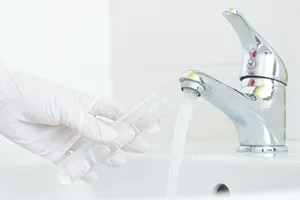
First-draw vs. flushed water sampling for lead in Monterey, California, serves different testing objectives. A first-draw water sample evaluates water that remained in contact with plumbing during a period of inactivity. A flushed sample evaluates water after the tap runs for a specified time. Choosing the correct method helps you identify where lead may enter the water and prevents misleading comparisons between unlike samples.
First-Draw Sampling Captures Stagnant Water
A first-draw sample consists of the first water released from a designated outlet after a required stagnation period. No one should use water in the affected plumbing before collection. Opening the tap, flushing a toilet, or operating connected equipment may disturb the conditions the sample needs to represent.
This water has spent more time in contact with the fixture and nearby plumbing components. The result can help determine whether the outlet, faucet assembly, solder, or interior plumbing contributes lead.
- Collect Water Before Using The Tap
- Follow The Required Stagnation Period
- Use The Specified Sample Volume
- Sample From The Cold-Water Outlet
- Record Any Activity That Could Affect Results
Flushed Sampling Examines Different Plumbing Conditions
A flushed sample is collected after water runs for a defined period. Flushing moves stagnant water out of the outlet and brings forward water from farther back in the plumbing system.
The flush duration must come from the sampling plan rather than an arbitrary estimate. A short flush and an extended flush can represent different sections of the plumbing. The collection team must document the actual time and flow conditions so the results remain useful.
The Testing Objective Determines The Method
Neither water sampling method is automatically better. The correct choice depends on the question you need the lead water testing to answer.
A first-draw sample can evaluate conditions after overnight or extended inactivity. A flushed sample can help assess whether the lead concentration changes after water moves through the fixture. Paired results may provide more useful information than either result alone.
- Evaluate A Specific Drinking-Water Outlet
- Investigate The Fixture And Nearby Plumbing
- Compare Stagnant & Flowing Conditions
- Examine Possible Upstream Contributions
- Support A Facility Sampling Plan
Paired Samples Can Help Narrow The Source
Comparing first-draw and flushed results can show how lead levels change as water moves through the system. A higher first-draw result followed by a lower flushed result may point toward the fixture or nearby plumbing. Lead that remains present after flushing may justify additional investigation farther upstream.
The U.S. Environmental Protection Agency directs collectors taking a first-draw lead sample to let the water remain undisturbed for at least six hours and avoid intentionally flushing the line before that period begins. This preserves the conditions the sample is intended to measure.
Sampling results don’t identify the exact source by themselves. Building plumbing layouts, outlet use patterns, pipe materials, and additional water sampling may affect the interpretation.
Sample Timing Can Change The Results
Lead concentrations can vary between samples from the same outlet. Stagnation time, recent water use, flow rate, and sample volume can influence what portion of the plumbing the bottle captures.
Facility operations require careful coordination. Cleaning crews, early employees, automatic equipment, irrigation systems, or connected fixtures may use water before the scheduled collection. Your plan should identify these potential disruptions and control access during the stagnation period.
- Date & Exact Collection Time
- Stagnation Start & End Times
- Outlet Identification
- Flush Duration When Applicable
- Unplanned Water Use Or Site Changes
Consistent Collection Protects Data Quality
Improvised collection of water can produce results that don’t match the intended sampling method. The person collecting the sample should follow the project protocol and laboratory instructions without altering the faucet beforehand.
Don’t remove or clean the aerator unless the sampling plan specifically requires it. Avoid changing filters, repairing fixtures, or performing plumbing work immediately before testing unless the purpose involves evaluating those changes.
Use the laboratory-provided container and complete all labels and chain-of-custody records. Deliver the sample within the required timeframe and under the specified handling conditions.
Facility-Wide Testing Requires A Sampling Plan
One sample can describe conditions at one outlet at one point in time. It can’t represent every drinking fountain, breakroom sink, kitchen tap, or other potable-water outlet in a commercial or government facility.
A sampling plan identifies which outlets require testing and what method applies to each location. Prioritize outlets based on use, plumbing history, occupant population, and the purpose of the investigation.
Results Must Match The Sampling Method
A lead in drinking water test report should identify whether each result came from a first-draw, flushed, or sequential sample. Comparing results without this context can lead to incorrect conclusions.
Review each result against the project objective and any applicable regulatory or program requirements. A flushed result shouldn’t replace a required first-draw result simply because it reports a lower concentration. The two samples measure different conditions.
Your final documentation should connect every result to the outlet, collection method, timing, and sampling conditions. This record supports future comparisons and helps you decide whether additional testing would provide useful information.
Arrange Professional Drinking Water Testing In Monterey
First-draw and flushed samples answer different questions about lead in a building’s water. M3 Environmental LLC provides water quality testing and environmental consulting for commercial properties, corporate facilities, and government agencies in Monterey, CA.
Contact us to develop an appropriate sampling plan and arrange professional drinking water testing for your facility.