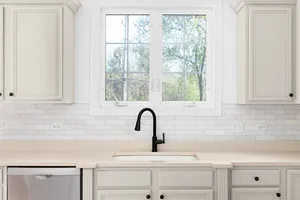
Water testing after vacancy can help you evaluate drinking water quality before employees, tenants, or visitors return to a commercial building in Monterey, CA. When a property sits vacant or operates at reduced occupancy, water use drops and water can remain stagnant within pipes, fixtures, water heaters, and other parts of the plumbing system.
Stale water doesn’t automatically mean a building’s drinking water is unsafe. However, extended stagnation can change building water quality and create conditions that warrant a closer look before normal use resumes.
Vacancy Can Leave Water Stagnant Inside The Building
Water quality at the utility connection doesn’t necessarily tell you what is happening inside an underused building. Once water enters the property, long periods without normal flow can leave water sitting in sections of the plumbing system.
The U.S. Environmental Protection Agency notes that building closures lasting weeks or months can reduce water use enough to create stagnant water in building plumbing. EPA recommends that building owners and managers address water quality before reopening.
Stagnant Water Can Change Water Quality
Normal building use continually replaces water in the plumbing system. Vacancy interrupts that turnover.
As stagnant water remains in contact with pipes and fixtures, disinfectant residuals can decline, and water chemistry can change. Depending on the plumbing system and other conditions, low or no use may also contribute to corrosion and increase the potential for metals to enter drinking water.
- Changes In Taste, Odor Or Appearance
- Reduced Disinfectant Residual
- Lead Or Copper From Building Plumbing
- Microbial Growth Under Favorable Conditions
- Water Quality Differences Between Fixtures
Different Fixtures May Have Different Conditions
Stagnation doesn’t always affect every part of a building equally. A frequently used lobby restroom may receive regular water turnover while a breakroom, vacant floor, drinking fountain, or remote fixture sees little use.
Building size, plumbing layout, fixture use, pipe materials, water temperature, and the length of the vacancy can all influence conditions. The CDC notes that the effects of stagnation vary according to plumbing and water-specific factors rather than one universal period of time.
A stagnant water testing plan may therefore include representative locations such as:
- Drinking Fountains
- Breakroom & Kitchen Sinks
- Frequently Used Fixtures
- Low-Use Or Remote Fixtures
- Different Floors Or Building Areas
- Other Drinking Water Points Identified During The Assessment
Bacteria Can Become A Concern In Low-Use Water Systems
Concerns about stagnant water bacteria often arise when water has remained inside building plumbing for an extended period. Low water flow can create conditions that support microbial growth in some systems.
The Centers for Disease Control and Prevention advises building owners reopening after prolonged shutdown or reduced operation to evaluate hazards that can include Legionella. The actual risk depends on conditions within the individual building water system.
Testing can help you investigate specific microbial concerns rather than assuming that vacancy has or hasn’t created a problem.
Lead & Copper Can Also Be Affected By Stagnation
Microorganisms aren’t the only reason to evaluate stale water. CDC guidance explains that corrosion may occur during periods of low or no water use, potentially allowing lead or other metals to enter drinking water from building plumbing.
Older plumbing isn’t the only factor that matters. Pipe and fixture materials, water chemistry, protective pipe scales, temperature, and the length of stagnation can all affect metal release.
For facilities where occupants use tap water for drinking or food preparation, testing can provide useful information about conditions at those points of use.
Commercial Water Testing Should Match The Property
A small office and a large government or commercial facility don’t have the same plumbing system or occupancy patterns. Commercial water testing should reflect the building you actually manage instead of relying on a generic sampling approach.
Before sampling, consider how long the building remained vacant, whether some areas stayed occupied, which fixtures supply drinking water, and whether the property has known plumbing concerns.
- Length & Extent Of The Vacancy
- Areas That Remained In Use
- Building Size & Plumbing Layout
- Drinking Water Locations
- Low-Use Sections Of The Property
- Known Water Quality Or Plumbing Concerns
Testing Can Provide A Baseline Before Reoccupancy
Testing before or during reoccupancy gives facility managers documentation of building water quality at a specific point in time. Results can help you determine whether sampled water meets the criteria used for the investigation and whether additional evaluation may be appropriate.
This documentation can be particularly useful for corporate facilities, government properties, and other buildings where managers need a clear record of environmental conditions.
A professional assessment also helps separate measurable water quality issues from assumptions based only on how long the property remained vacant.
Evaluate Your Building’s Water Quality In Monterey, CA
Standing water in a commercial property shouldn’t automatically lead you to assume that every fixture has unsafe water. It should prompt you to consider how the vacancy affected water use and whether testing would provide useful information before normal occupancy resumes.
M3 Environmental LLC provides drinking water testing and environmental consulting for commercial and government properties in Monterey, CA and throughout Central and Northern California. Our team can help you establish an appropriate testing scope, collect representative samples, and evaluate the results so you have clearer information about your building’s water quality.